SEB Marketing Team
It is 3:15 PM on a Tuesday. One of your top-performing directors is staring at their laptop, but they aren’t seeing a spreadsheet. They’re mentally triaging: a school notification about a sick third-grader just flashed on their phone, while their 82-year-old father is waiting for a telehealth confirmation they haven’t had time to book.
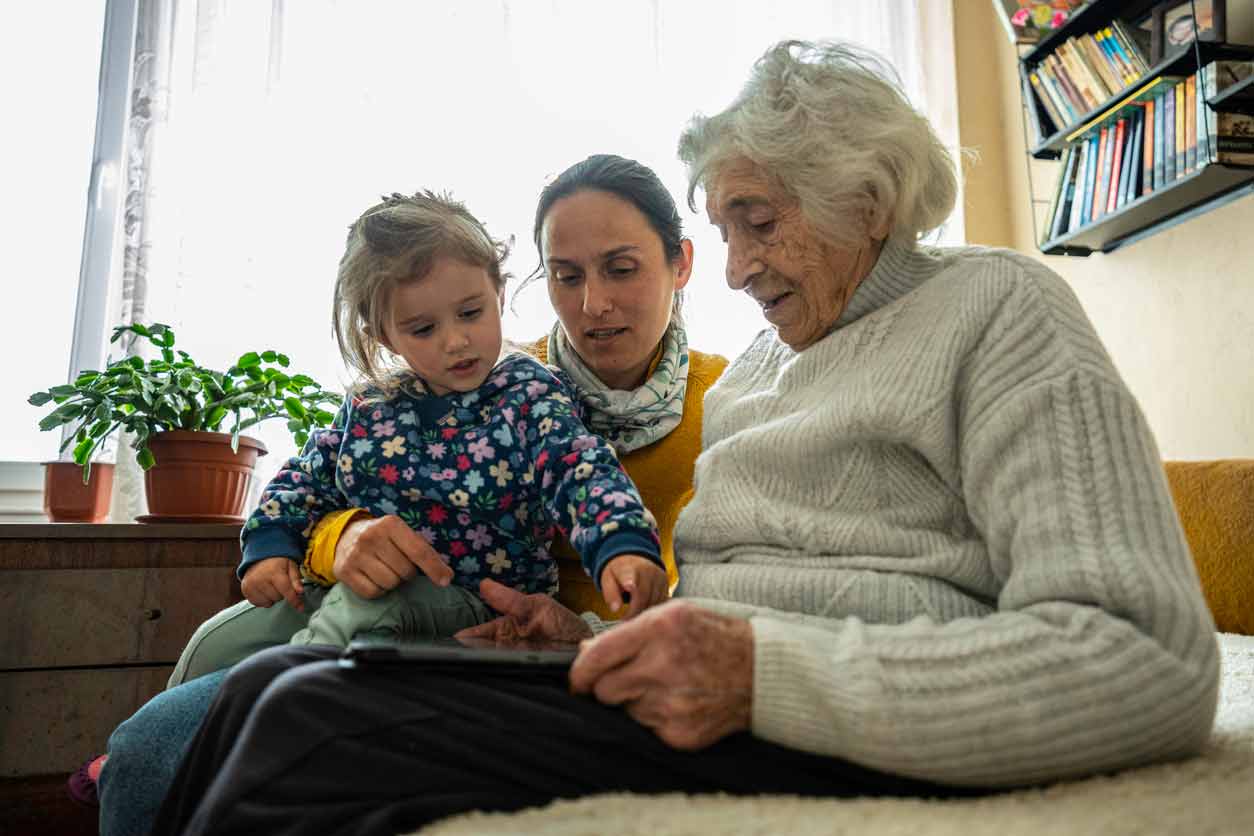
Welcome to the Sandwich Generation in 2026. This isn’t a niche demographic anymore; it’s a critical mass of your most experienced talent. As Canadian lifespans extend and childcare remains a premium, your leaders are caught in a dual-caregiving squeeze that—if left unaddressed—leads straight to one place: the exit door.
If you want to move beyond “thoughts and prayers” and into high-impact retention, here is how to modernize your benefits for the current reality.
- From “Google It” to Care Navigation
In 2026, the problem isn’t a lack of information; it’s a lack of time to process it. Childcare is predictable; elder care is a chaotic series of emergencies.
Your employees don’t need a list of nursing homes. They need Care Navigation. Providing access to “care coaches” who can handle the logistical heavy lifting—vetting home-care providers, understanding provincial health waitlists, or coordinating transition care—saves your employees dozens of hours of “stealth work” during business hours. When the company provides the navigator, the employee can focus on being the director.
- Radical Flexibility: The Outcome-Based Revolution
We’ve moved past the “hybrid vs. office” debate. The 2026 gold standard is outcome-based autonomy.
For a sandwich caregiver, a rigid 9-to-5 is a trap. Strategic leaders are now training managers to measure “impact, not hours.” This means allowing for “flexible shifting”—the ability for an employee to go dark from 3:00 PM to 7:00 PM for family duties and catch up in the late evening or early morning without a flurry of “Are you there?” pings. If the work is excellent and the deadlines are met, the schedule should be invisible.
- Move the Needle with “Top-Up” Leave
Canada’s federal EI benefits for caregivers (up to 35 weeks for children, 15 for adults) are a vital safety net, but the pay gap is often too wide for mid-to-senior earners to bridge.
High-retention organizations are implementing Caregiver Leave Top-Ups. Just as you might top up maternity leave, offering a similar percentage match for those caring for an ailing parent or a critically ill child removes the “financial penalty” of being a good family member. It’s a powerful signal that your organization values the human, not just the resource.
- Financial Wellness Beyond the RRSP
The sandwich generation is bleeding cash at both ends: soaring tuition/childcare costs and roughly $3,300+ in annual out-of-pocket elder care expenses.
Update your financial wellness stack to include:
- Flexible Care Stipends: A “choose your own adventure” fund that can be applied to backup daycare or respite care for a senior.
- Legal & Estate Support: Access to experts who can help with Power of Attorney and estate planning. This isn’t just a “nice-to-have”—it prevents the legal crises that cause massive workplace absenteeism.
- Culture: The “No-Shame” Zone
You can have the best benefits in Canada, but if your employees feel that using them is a “career-limiting move,” they will simply burn out in silence.
Retention starts with a “No-Shame” culture. This requires:
- Manager Empathy Training: Teaching leads to recognize the signs of caregiver burnout (irritability, sudden drops in engagement) before it becomes a resignation.
- Vocal Leadership: When a C-Suite executive mentions they are leaving early for a parent’s doctor’s appointment, it gives the rest of the office permission to be human.
The Bottom Line: In the 2026 talent market, your benefits shouldn’t just look good on a PDF; they need to solve the real-world friction of your employees’ lives. Supporting the sandwich generation isn’t just a “kind” initiative—it’s a strategic defense of your leadership pipeline.